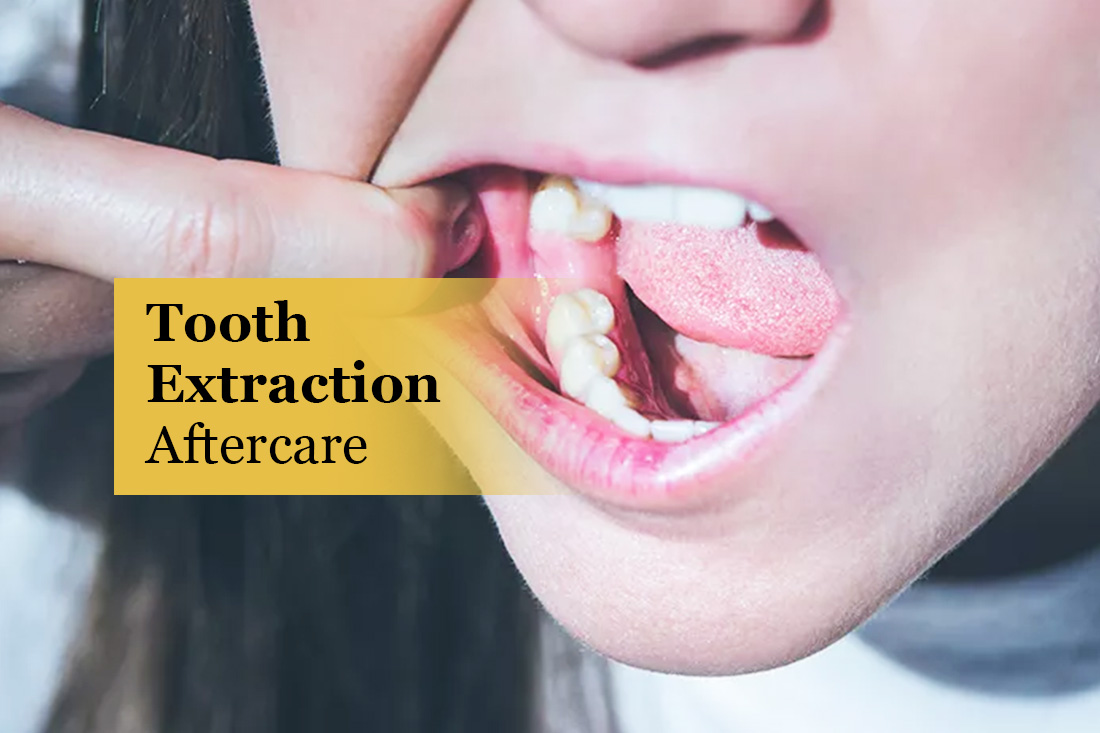
Tooth Extraction Aftercare: Healing Timeline and How to Avoid Dry Socket
Had a tooth removed? Here is what normal healing looks like day by day, how to prevent dry socket, what to eat, and when to call your Fullerton dentist.
Most tooth extractions heal without any trouble. The first few days matter most, because that is when the blood clot that protects the socket is forming. Following a few simple rules makes the difference between a quiet recovery and a painful setback.
Your dentist will give you instructions specific to your case. This article covers what to expect in general and the questions patients in Fullerton ask most often.
The first 24 hours
Bite gently on the gauze for 30 to 45 minutes to let a clot form. Some oozing is normal. Rest, keep your head raised, and use a cold pack on the cheek in 15-minute intervals to limit swelling. Do not rinse, spit forcefully, smoke, or drink through a straw, because suction can dislodge the clot. The ADA extraction guide covers the basics.
Days two to seven
Discomfort usually peaks around day two or three and then eases. From day two, rinse gently with warm salt water after meals. Brush your other teeth normally and keep the extraction site clean without scrubbing it. Swelling and mild bruising can last a few days, especially after a surgical extraction.
What to eat
- Day one: cool, soft foods such as yogurt, smoothies (with a spoon), and mashed potatoes.
- Days two to three: lukewarm soups, scrambled eggs, pasta, and soft fish.
- Avoid: hot, spicy, crunchy, or sticky foods, alcohol, and anything with small seeds.
Chew on the opposite side until the site feels comfortable, usually within a week.
Preventing dry socket
Dry socket happens when the clot is lost early and the bone is exposed. It causes a throbbing pain that often starts three to five days after the extraction and may spread toward the ear. Smokers, patients taking oral contraceptives, and people who have had lower wisdom teeth removed are at higher risk. Avoiding suction, smoking, and vigorous rinsing in the first few days is the best protection. If you suspect dry socket, call the practice; a medicated dressing provides quick relief.
When to call the dentist
Contact the office if bleeding does not slow after an hour of firm pressure, pain gets worse after day three, swelling increases after day three, you develop a fever, or you notice a bad taste that does not clear with rinsing. These signs are uncommon but should be checked the same day.
Planning what comes next
If a back tooth has been removed, ask about replacement options so neighboring teeth do not drift. Real Dentistry offers dental implants and bridges. Request an appointment or call (714) 525-2888 with any concerns during your recovery.
Keep reading