
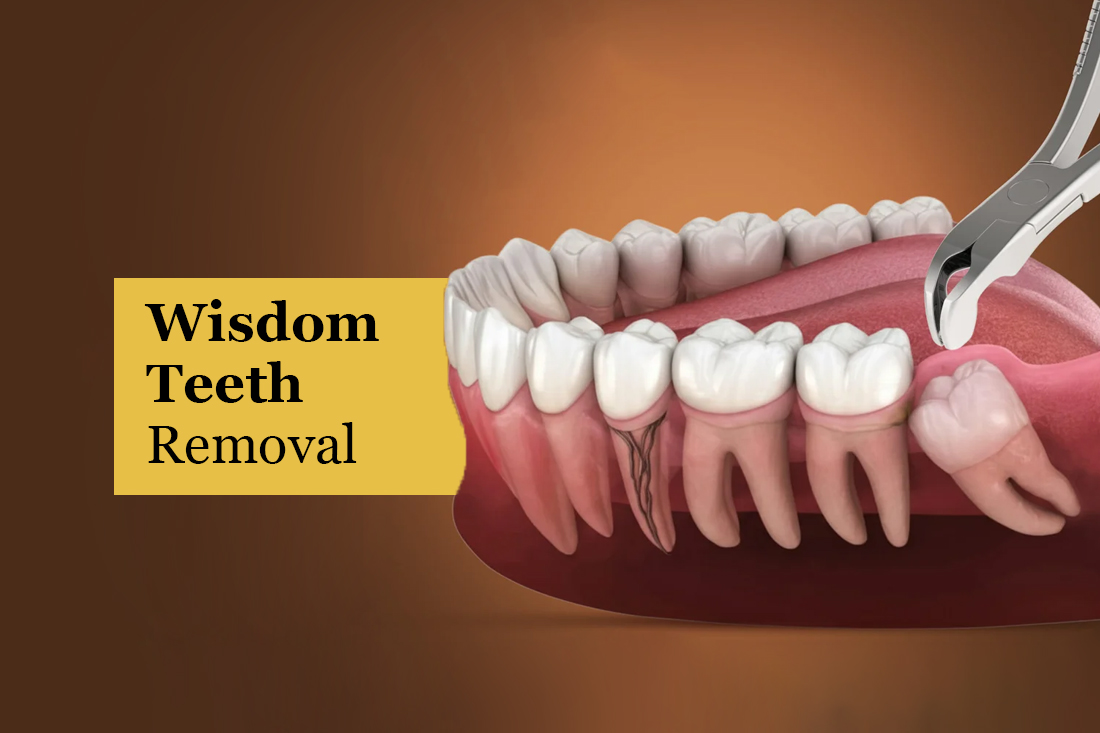
Wisdom Teeth Removal: When, Why, and What to Expect
 By Dr. Kanak Trivedi, DDS
Jul 29, 2026 · 3 min read
By Dr. Kanak Trivedi, DDS
Jul 29, 2026 · 3 min read
Wondering if your wisdom teeth need to come out? Learn the signs, the procedure, and recovery tips from Fullerton dental experts.
Wisdom teeth — the third set of molars that typically show up in your late teens or early twenties — often cause more problems than they solve. Here's how to know if yours need to come out, and what recovery really looks like.
Why Wisdom Teeth Cause Problems in the First Place
Modern human jaws rarely have enough space to accommodate these late-emerging molars. As a result, wisdom teeth often emerge at awkward angles or remain trapped (impacted) under gum and bone tissue.
Signs Your Wisdom Teeth Need Attention
- Persistent pain or pressure in the back corners of your jaw.
- Red, swollen, or bleeding gums around emerging molars.
- Repeated soft tissue infections behind back teeth.
- Crowding or shifting of neighboring adult teeth.
How Dentists Decide Whether to Extract
Using panoramic 3D digital X-rays, our Fullerton team evaluates tooth roots, spatial angles, and proximity to nerve structures to determine if extraction is necessary.
What the Procedure Involves
Extraction is a routine procedure done under local anesthesia or sedation to ensure total comfort. The dentist makes a tiny incision in the gum, gently removes the tooth (sometimes in smaller sections), and places dissolving sutures.
Recovery Timeline: Days 1 Through 7
Days 1–2:
Rest, apply ice packs to control swelling, and eat soft foods.
Days 3–5:
Swelling peaks and recedes; gradually transition back to solid foods.
Days 6–7:
Discomfort subsides, allowing a comfortable return to normal routines.
Foods and Habits to Avoid After Extraction
Avoid drinking through straws, smoking, or eating crunchy/spicy foods for 7 days to protect the healing blood clot and avoid dry socket.
Keep reading