Dry Mouth: Why It Happens and How to Protect Your Teeth
Persistent dry mouth can affect comfort and cavity risk. Learn common causes, helpful habits, and what to discuss with your dentist in Fullerton.
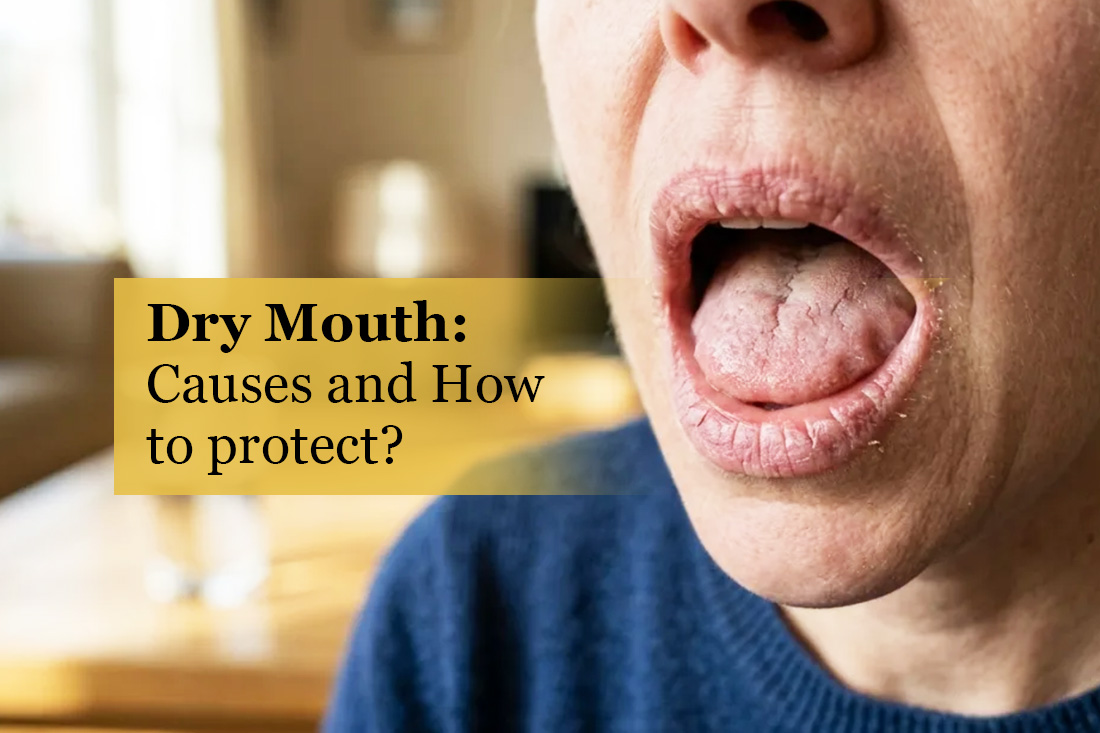
Needing water during a long conversation is one thing. Regularly waking with a sticky mouth, struggling with dry foods, or feeling that your tongue sticks to your teeth deserves a closer look. Persistent dry mouth is a useful symptom to mention even when nothing hurts.
At a dental visit, start with what you notice in daily life: when the dryness begins, whether it interrupts sleep, and whether eating or speaking has changed. Those details can make the conversation more productive than describing the problem simply as thirst.
Why saliva matters
Saliva helps with swallowing, clears food debris, and supplies minerals that support teeth. Too little saliva can increase the risk of decay and oral infections. Dry mouth is not an inevitable part of getting older, according to the National Institute of Dental and Craniofacial Research.
Look at the timing and possible causes
Many medicines can contribute to dryness. Certain medical conditions and cancer treatments can also affect saliva. A dentist or physician can review the possibilities with you. Do not stop a prescribed medicine yourself; instead, ask the prescriber whether the symptom could be related.
Bring a current medication list, including nonprescription products. Note whether a medicine was started or changed around the time the dryness appeared. If you use several products, a written list is easier to review accurately than trying to recall names in the chair.
Comfort measures are part of the plan
Sipping water, using sugar-free gum when appropriate, and avoiding tobacco may help with comfort. Saliva substitutes are another option to discuss. Frequent sugary candies or acidic drinks can create additional problems for teeth. The ADA dry-mouth guidance describes approaches to symptom relief and prevention.
Your teeth may need extra prevention
Dry-mouth care can include a review of brushing, cleaning between teeth, fluoride use, and the interval between visits. Prescription products or professional treatments depend on the person's risk. Ask the dentist which areas of your mouth need particular attention rather than buying several new products at once.
A practical plan should explain what each recommended product is for, when to use it, and what to do if it irritates your mouth. You can ask for the instructions in writing. Keep the plan somewhere you will actually see it, especially if more than one clinician is involved.
What to discuss at the appointment
- Is this new, persistent, or mainly happening overnight?
- Are there mouth sores, burning, changes in taste, or trouble eating?
- Which medicines and health conditions should be reviewed?
- What changes should prompt an earlier follow-up?
The next step is to agree on a manageable plan and a way to review it. If symptoms persist despite the first changes, let the team know rather than silently adding stronger products.
Get a dental assessment in Fullerton
Read about general dentistry at Real Dentistry or request a visit. Mention dry mouth when you book so you can discuss both comfort and protection for your teeth.
Keep reading