
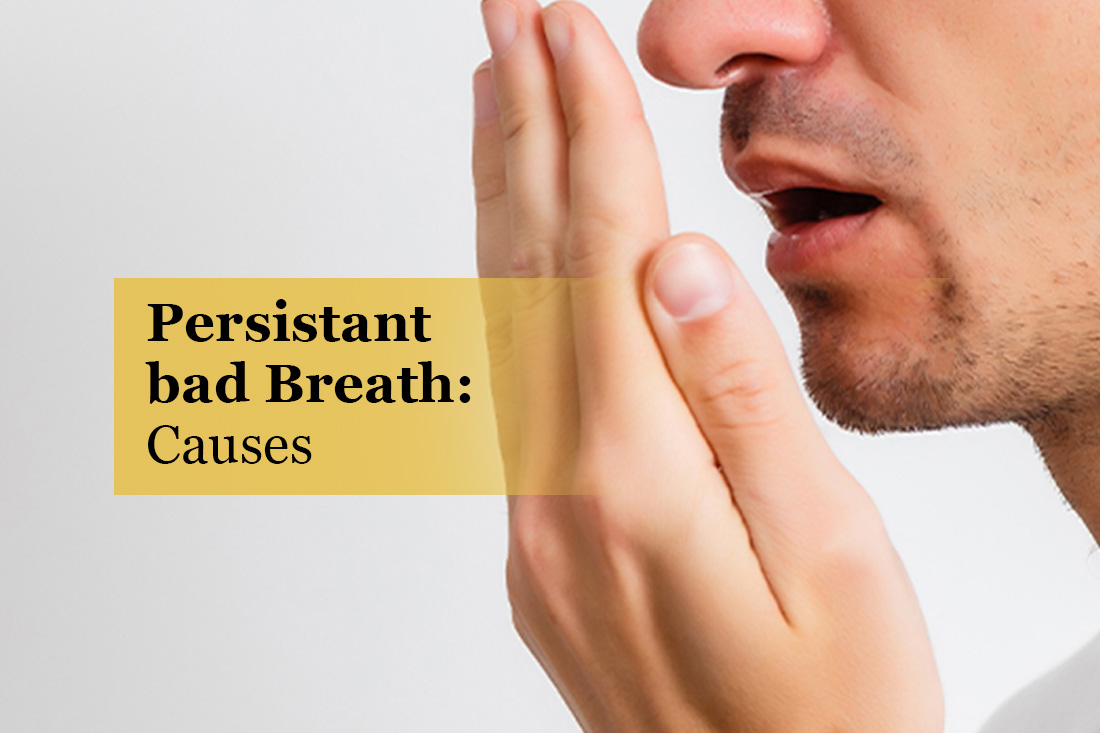
Persistent Bad Breath: Common Causes and When to See a Dentist
Persistent bad breath can have several causes. Learn what to note, why mouthwash may offer only temporary relief, and when to arrange a dental assessment.
Bad breath after a particular meal is familiar. A problem that keeps returning despite your usual routine can be frustrating, especially when buying another rinse does not settle it. A dental assessment is a useful way to investigate persistent symptoms.
You do not need to apologize for raising the subject. Tell the team what you have noticed, how long it has been happening, and what you have already tried. The conversation can focus on finding a cause and agreeing on a practical next step.
Several mouth-related factors can contribute
Bacteria, food debris, dry mouth, tobacco use, and gum disease can contribute to bad breath. A persistent bad taste may also be worth mentioning. If dental causes are ruled out, a medical assessment may be appropriate. The ADA bad-breath guide explains these possibilities.
Look beyond a temporary rinse
Mouthwash may temporarily reduce or mask odor. Brushing twice daily and cleaning between teeth remain important, and a rinse does not replace treatment for an underlying problem. Ask the dentist to review the cleaning method you actually use rather than assuming you need a stronger product.
Bring the names of your toothpaste, rinse, and any other products. Explain which areas are difficult to reach or uncomfortable to clean. If you wear a removable appliance, ask whether its cleaning routine should be reviewed too.
Notice whether dryness is part of the pattern
If your mouth feels sticky, dry, or uncomfortable along with the breath concern, say so. Reduced saliva can affect both comfort and oral health. Medications and medical conditions may need review; the ADA dry-mouth overview explains why this deserves an assessment.
Do not stop prescribed medicine on your own. Write down when the dryness started and whether it followed a change in medication. That note can help both the dental team and the prescribing clinician discuss the symptom.
Keep a short record before the visit
- When is the problem most noticeable?
- Is there a persistent bad taste or a feeling of dryness?
- Have you noticed bleeding gums or discomfort?
- Which products have you tried, and did the change last?
- Have any medicines or health conditions changed recently?
A few notes are enough; you do not need to monitor yourself constantly. The purpose is to provide useful context at the appointment and make it easier to judge whether the agreed plan helps.
Ask what the examination found
Before leaving, ask whether a likely cause was identified and what the next step is. If the plan involves cleaning or home-care changes, ask when it should be reviewed. If another clinician's assessment is suggested, ask what information should be shared.
A written plan can keep the follow-up focused. It should tell you what to do now, what symptoms to report, and when to get back in touch if the concern continues.
Arrange a visit in Fullerton
Read about professional teeth cleaning and gum care at Real Dentistry. Request an appointment or call (714) 525-2888 and mention persistent bad breath when booking.
Keep reading