Fluoride Treatment: When Children and Adults May Benefit
Learn when fluoride treatment may help children and adults prevent cavities, what the appointment involves, and what to ask your Fullerton dentist.
If you associate fluoride treatment with childhood checkups, you may be surprised when your dentist recommends it as an adult. The useful question is whether your teeth need extra protection against decay. Two people with similar brushing routines can have different cavity risks.
For families visiting Real Dentistry in Fullerton, understanding the reason for a preventive recommendation helps make the appointment more useful. Ask what was found, what the proposed treatment can change, and how you will know the plan is working.
What fluoride can do for enamel
Fluoride helps teeth resist acid damage and supports replacement of minerals lost from enamel. Early decay may sometimes be stopped before a hole develops. An established cavity needs an assessment and may require a filling; fluoride cannot rebuild missing tooth structure. The NIDCR guide to tooth decay explains this distinction.
Who might need extra protection?
Professional or prescription-strength fluoride may be recommended for someone at elevated cavity risk. Recent cavities, exposed root surfaces, difficulty keeping teeth clean, or reduced saliva are reasons to discuss prevention. A recommendation should connect to your own findings rather than your age alone. See the ADA fluoride clinical guidance.
Tell the dental team which toothpaste and rinses you already use. If you have started getting cavities after years without them, bring that up specifically. That change is a better starting point for a discussion than simply asking for the strongest available product.
What happens during a treatment?
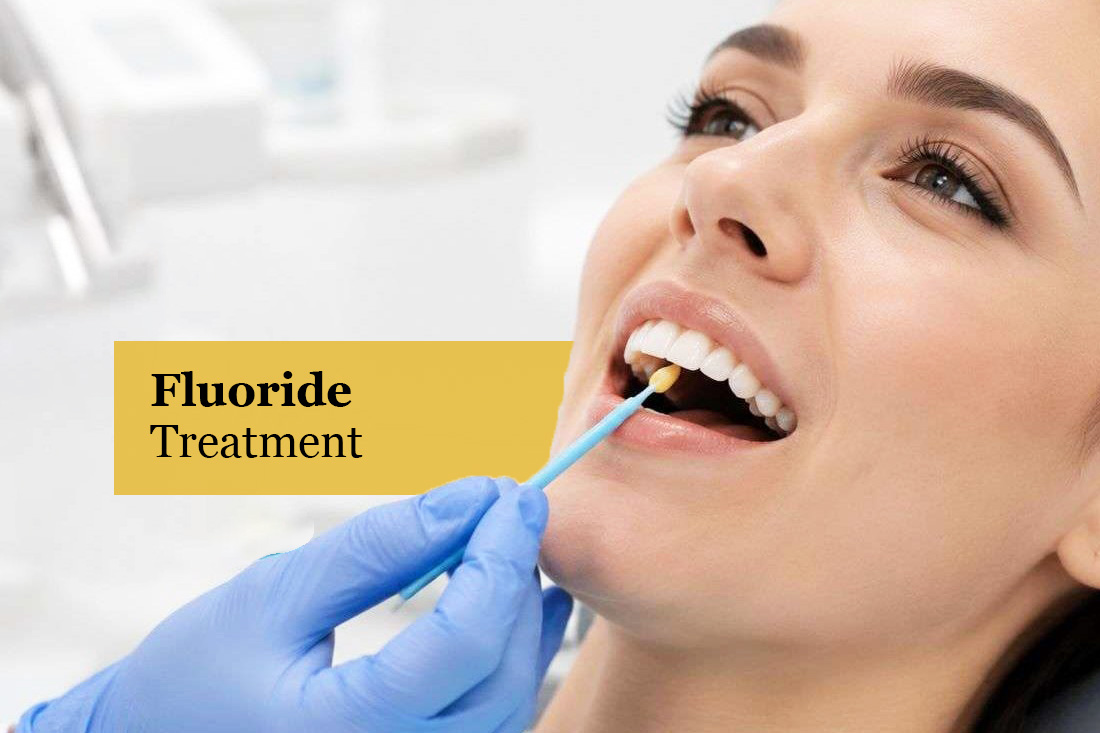
Topical fluoride is applied to the teeth, often as a varnish, gel, or foam. The product determines the application method and aftercare. Ask when you can eat, drink, brush, and floss; do not assume instructions from a previous visit apply to a different product. The ADA patient guide to fluoride describes the available forms.
Children need an age-appropriate routine
The ADA recommends a rice-grain-sized smear of fluoride toothpaste for children under three and a pea-sized amount from ages three to six. Adults should supervise brushing and help children avoid swallowing toothpaste. Discuss supplements with a clinician rather than adding them yourself; the child's existing fluoride exposure matters.
Questions to ask before you agree
- Which findings suggest I or my child would benefit?
- Is this a one-time treatment or part of an ongoing prevention plan?
- What home-care changes should accompany it?
- What is the fee, and how will any insurance benefit be checked?
Write down the answers if you are managing care for several family members. A clear plan makes it easier to use the correct products at home and avoid confusing one person's instructions with another's.
Discuss prevention at your next Fullerton visit
Explore general dentistry or care for children at Real Dentistry. Request an appointment and ask for a prevention plan based on your examination and daily routine.
Keep reading