Dental Crown Aftercare: What to Ask Before You Leave
Have a new dental crown? Learn what to ask about eating, cleaning, temporary crowns, bite comfort, and when to contact your Fullerton dentist.
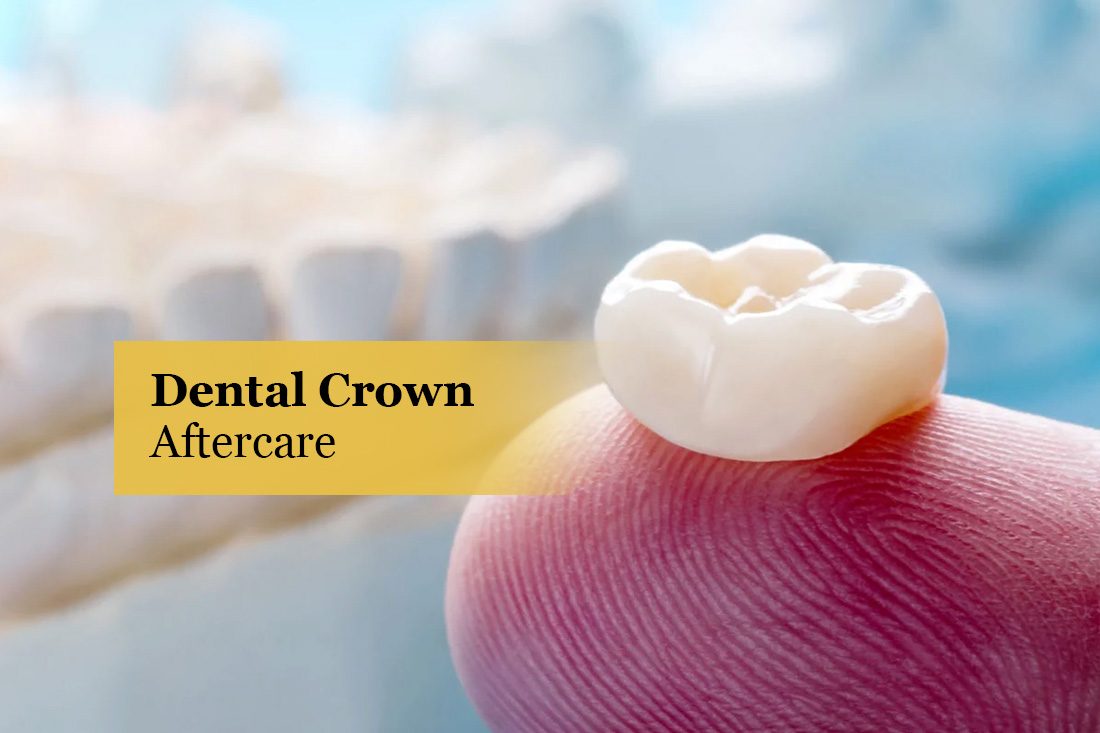
A crown appointment ends with more than a new restoration. You also need to know how to eat, clean, and judge how the tooth feels afterward. The instructions can differ for a temporary crown and a final crown, so confirm which one you have before leaving.
It helps to ask for written aftercare rather than relying on a quick conversation while you are still numb. Keep the instructions with the office's contact number so they are easy to find later.
Start with the instructions for your crown
A crown covers and supports a tooth, or it may form part of an implant restoration. Ask what was done underneath it and whether another treatment step is planned. The ADA crown overview describes why crowns are used.
Before you leave, confirm when to eat, which foods to avoid, and whether the cement used requires particular precautions. If you had anesthesia, ask how to manage food and drinks until normal sensation returns.
Temporary crowns need a clear follow-up plan
A temporary restoration protects the prepared tooth while the final restoration is arranged. Confirm the next appointment and ask how to clean around the temporary crown. If it loosens or comes off, call the office for instructions. Do not use household glue.
Ask what to do if this happens during travel or outside the office's opening hours. Having that plan written down is more useful than trying to work it out when the tooth is uncomfortable.
Pay attention to bite comfort
Some tenderness or sensitivity can occur after crown treatment. Persistent pain, worsening discomfort, or a bite that feels wrong should be reported. Do not assume you need to tolerate an uncomfortable bite until the next routine cleaning. The Cleveland Clinic crown guide discusses recovery and possible complications.
When you call, describe whether the discomfort happens while biting, at rest, or with temperature changes. Explain when it began and whether it is getting better or worse. Those observations help the office plan the assessment.
Cleaning still matters
A crown does not remove the need to brush and clean between teeth. The natural tooth and gumline still need care. Ask the dental team to show the technique for your restoration, particularly if it is temporary or connected to a bridge. Hard items and habits that put excessive force on teeth can also damage restorations.
If floss catches or shreds in the same spot, mention it at the appointment. Ask which cleaning aid fits the space rather than forcing something that does not pass comfortably.
Use a simple aftercare checklist
- Is this crown temporary or final?
- When can I eat, and are there short-term restrictions?
- How should I brush and clean between these teeth?
- Which symptoms need a call, and whom should I contact?
- When is the next visit?
For treatment questions in Fullerton, see restorative dentistry at Real Dentistry. Request an assessment or call (714) 525-2888 about a loose crown or a change in comfort.
Keep reading