
Root Canal Therapy: What to Expect and Why It Doesn't Have to Hurt
 By Dr. Kanak Trivedi, DDS
Apr 22, 2026 · 3 min read
By Dr. Kanak Trivedi, DDS
Apr 22, 2026 · 3 min read
Root canals have a bad reputation they don't deserve. Learn what actually happens during the procedure, recovery time, and how modern techniques keep you comfortable.
Few dental procedures carry as much unearned fear as the root canal. In reality, modern root canal therapy relieves pain rather than causing it — the infection is what hurts, not the treatment. Here's what really happens in the chair.
What Causes the Need for a Root Canal
When deep decay, repeated dental work, or tooth fractures allow bacteria into the pulp chamber (the inner tooth nerve), painful inflammation and infection occur.
Signs You Might Need One
- Severe pain while biting or chewing.
- Prolonged sensitivity to hot or cold temperatures.
- Dark discoloration of a single tooth.
- Swollen, tender gums or a recurring pimple-like bump on the gum line.
The Procedure, Step by Step
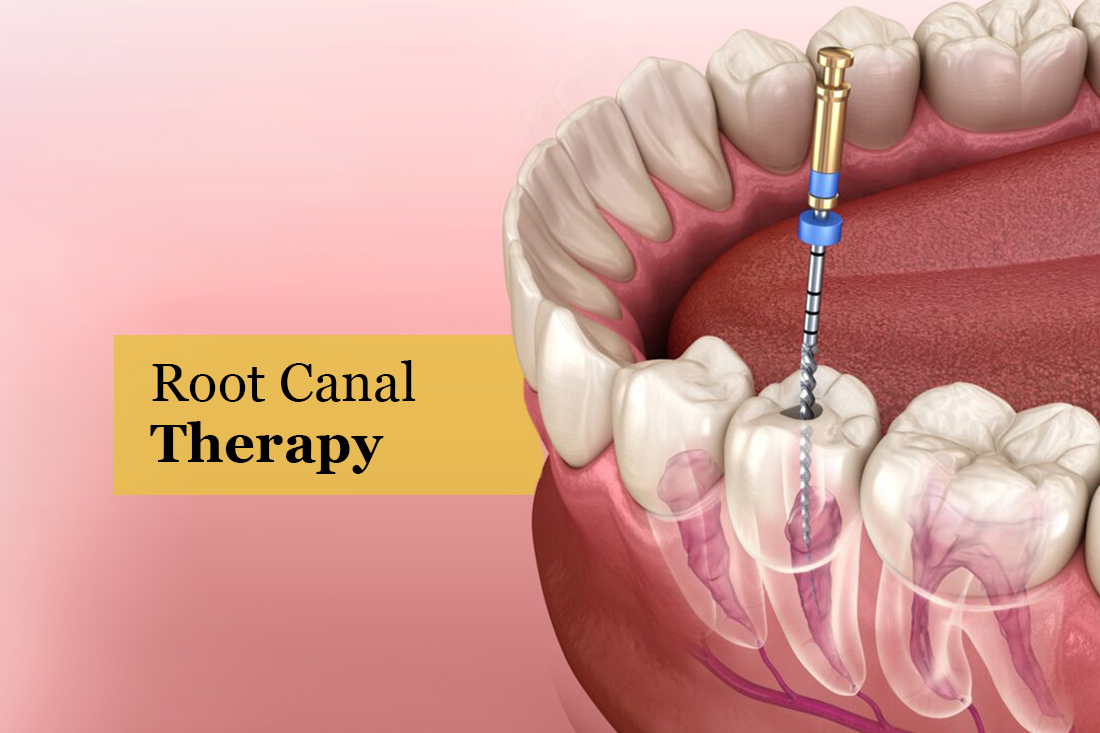
First, the area is thoroughly numbed with local anesthesia. The dentist makes a tiny access opening in the crown to carefully remove damaged tissue and bacteria from inside the root canals. The clean canals are bio-sanitized, filled with a biocompatible material called gutta-percha, and sealed with a temporary or permanent restoration.
Does It Actually Hurt? (Myth vs. Reality)
With modern local anesthetics and advanced techniques, getting a root canal feels very similar to receiving a standard dental filling. The procedure eliminates severe toothache pain.
Recovery: What the First 48 Hours Look Like
Some post-treatment tenderness is normal for a couple of days as tissue heals. This is easily managed with over-the-counter pain relievers.
Root Canal vs. Extraction: Why Saving the Tooth Matters
Preserving your natural tooth prevents adjacent teeth from shifting, maintains natural bite force, and avoids the costs of artificial tooth replacement.
Keep reading