Cracked Tooth Symptoms: Why Pain When Biting Needs a Check
Pain when biting or releasing your bite may need an assessment. Learn how dentists investigate a cracked tooth and what can affect treatment options.
A sharp pain when chewing that disappears a moment later can be easy to dismiss. You may avoid that side of your mouth for a while and then forget about it. If the pattern repeats, arrange a dental assessment rather than relying on whether the tooth hurts continuously.
Before your appointment, make a short note of what triggers the pain and where you think it comes from. You do not have to identify the exact tooth yourself. Describing the pattern is more helpful than repeatedly biting something hard to test it.
What symptoms can suggest a crack?
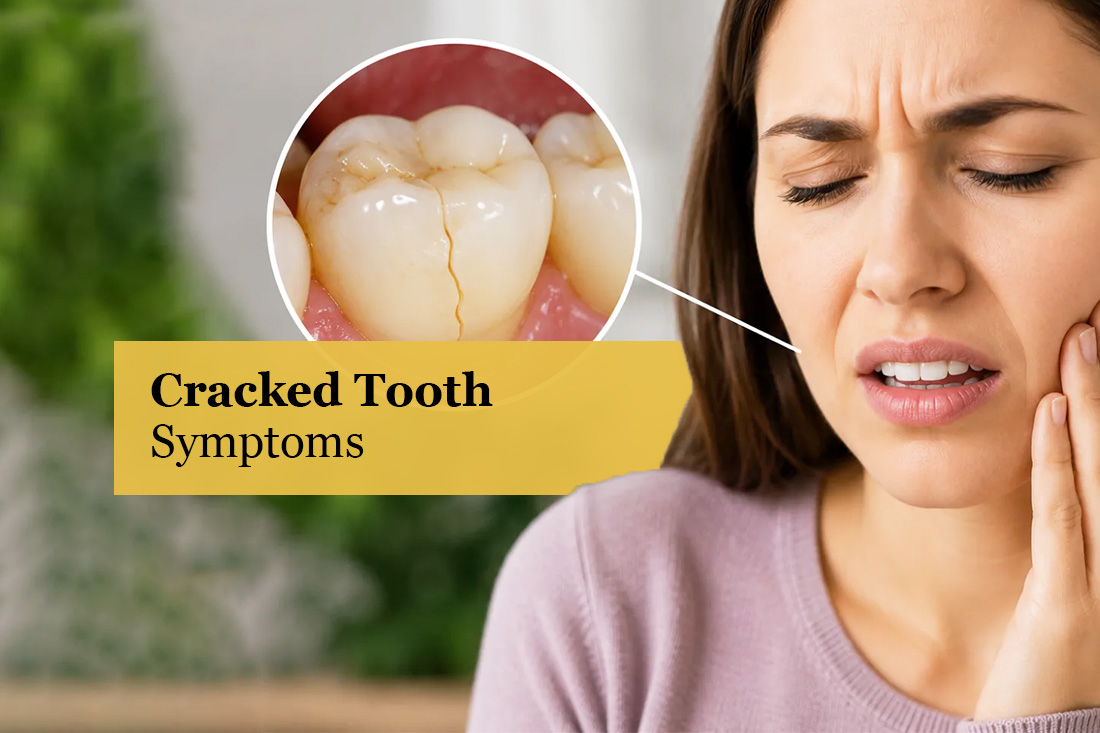
A cracked tooth may hurt during chewing, when biting pressure is released, or with temperature changes. The discomfort can come and go. The type and depth of a crack affect the options for protecting the tooth. The American Association of Endodontists' cracked-teeth guide explains these patterns.
Similar symptoms can have other causes, so pain alone cannot confirm a crack. Tell the dentist about recent dental work, an injury, or a change in your bite. Bring any previous records you have been asked to provide.
How will the tooth be assessed?
The dentist may examine the tooth and existing restorations, check the bite and gums, perform tests, and take images when indicated. Ask what the findings show and what remains uncertain. A consultation is a chance to understand the diagnosis before committing to a treatment plan.
If further evaluation is recommended, ask who will arrange it and which records should travel with the referral. You can also ask whether there is anything you should avoid while waiting. Clear instructions help keep the next step from becoming an open-ended delay.
Why treatments differ
A damaged chewing surface may need a restoration such as a crown. When the pulp is affected, root canal treatment may be considered as part of saving a suitable tooth. Some extensive fractures cannot be restored. A crown supports remaining tooth structure, as described in the ADA crown overview; it does not make every damaged tooth repairable.
Questions that help you compare the options
- What is the working diagnosis, and how confident are you?
- Is the tooth likely to be restorable?
- Do I need a specialist assessment before deciding?
- What does the estimate include, and how many visits are expected?
- Which symptoms should make me call sooner?
Ask for a written explanation if several procedures are being discussed. It should be clear which step is intended to investigate the problem and which step is intended to restore the tooth.
Take worsening symptoms seriously
Contact a dental office promptly for increasing pain, swelling, or a broken tooth. Difficulty breathing or swallowing needs emergency medical attention. Tell the office what is happening when you call rather than requesting only a routine checkup.
Real Dentistry's dental emergency, restorative dentistry, and root canal therapy pages explain related care. Call (714) 525-2888 to discuss an assessment and appointment availability in Fullerton.
Keep reading