
Dental Sealants for Children: Protecting the Back Teeth
A parent’s guide to dental sealants: how they protect molars, when to ask about them, and why children still need daily brushing and dental checkups.
Your child may be doing a good job brushing and still struggle to clean the grooves of the back teeth. Those uneven surfaces make molars a useful place to discuss extra cavity protection. Dental sealants are one preventive option your dentist may recommend.
For parents, the decision is easier when it is specific: which teeth need protection, why those teeth, and what follow-up will involve. A recommendation for one child does not automatically mean a sibling needs exactly the same treatment.
What is a dental sealant?
A sealant is a thin coating placed over the chewing grooves of a back tooth. It creates a barrier that helps keep food and cavity-causing bacteria out of those spaces. It does not cover the whole tooth or replace cleaning between teeth. The ADA sealant guide explains how this protection works.
When should parents ask about sealants?
Permanent first molars commonly arrive around age six, with second molars appearing around age twelve. These are useful times to ask about sealants, although eruption varies. The dentist needs to assess whether the tooth is ready, whether decay is present, and whether the surface can be kept dry for placement.
If you are unsure which teeth are permanent, ask the team to show you. You can also ask for a simple note listing the teeth being watched. That makes the recommendation easier to revisit at the next appointment rather than relying on memory.
What does placement involve?
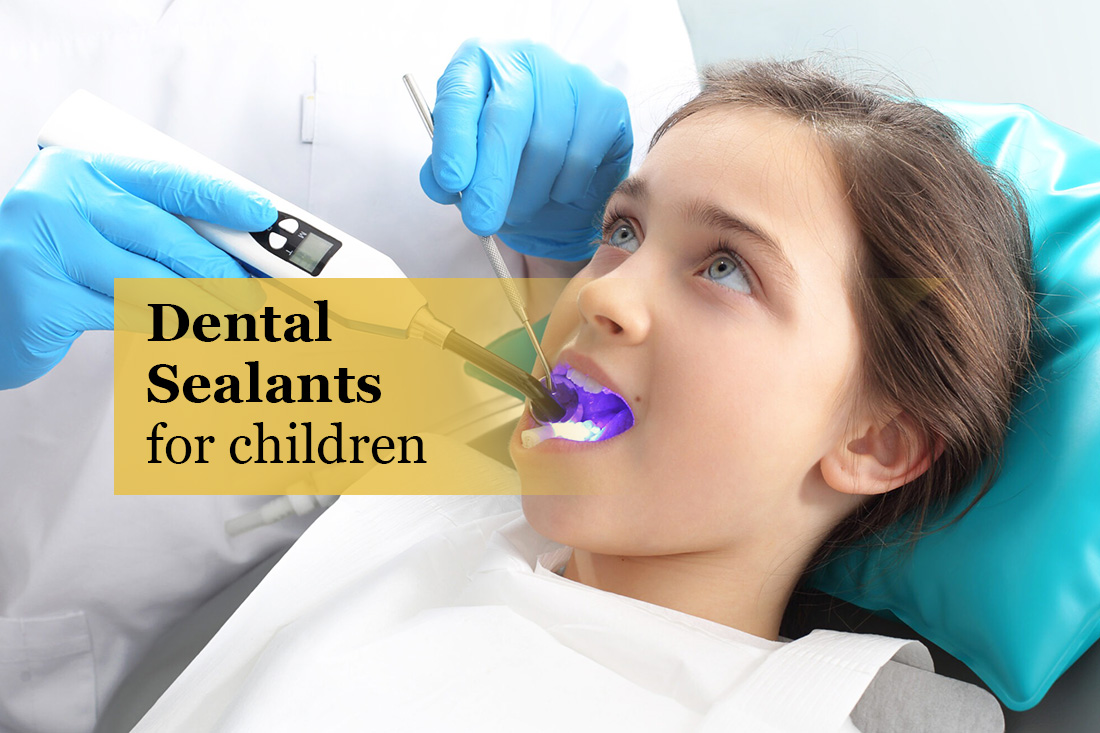
The tooth is cleaned and dried, its surface is prepared, and the coating is applied to the grooves. Many sealants are hardened with a curing light. Routine placement on a suitable tooth usually does not involve drilling. The dentist checks the result afterward. See the ADA patient education overview.
A sealant and a filling serve different purposes
A filling repairs damage; a sealant is primarily preventive. Certain early lesions may be suitable for sealing and monitoring, but a visible hole or a painful tooth needs a separate assessment. Ask whether the recommendation is prevention, treatment of early decay, or restoration of an existing cavity.
Plan for care after the appointment
Sealants can wear or come away, so their condition should be checked at follow-up visits. Your child still needs brushing, cleaning between contacting teeth, and a prevention routine suited to their age. A sealant protects a selected surface rather than providing complete protection for the mouth.
Before scheduling, ask which teeth are included in the estimate and whether the dental team will check the benefit with your insurer. Write down any age limits or restrictions the plan reports. Coverage and fees should be confirmed for your child rather than assumed from another family's experience.
Make the conversation easy for your child
Ask the team how they will explain the appointment and whether you can discuss your child's worries beforehand. For a preventive-care visit in Fullerton, see Real Dentistry's pediatric dentistry page and request an appointment.
Keep reading