
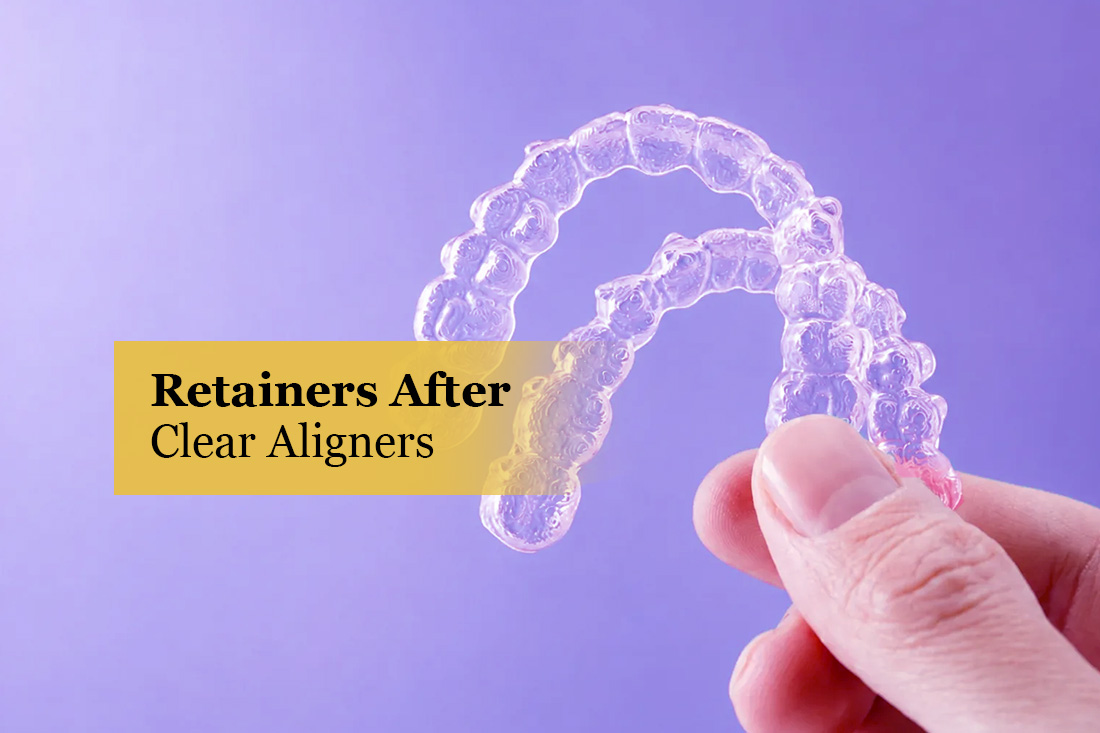
Retainers After Clear Aligners: Keeping Your Smile on Track
Finishing clear aligners? Learn why retainers matter, how to care for them, and what to ask if your retainer no longer fits comfortably.
Reaching the last clear-aligner tray is an exciting milestone. It is also the right moment to make a plan for what follows. Before the active treatment finishes, ask who will provide your retainers, when they will be ready, and what instructions you should follow.
A clear written plan can prevent confusion during the transition. Keep it with the contact details for the clinician overseeing your alignment so you know where to turn if an appliance is lost or does not fit.
Why retention is part of treatment
Teeth can move after orthodontic treatment. Retainers help maintain the corrected positions, and ongoing wear is commonly needed over the long term. The exact schedule should come from your treating clinician. The American Association of Orthodontists' retention guide explains why the final tray is not the end of maintenance.
Understand the appliance you receive
Retainers may be removable or fixed behind the teeth. Ask which type is recommended, how it should feel, and how to clean around it. If upper and lower teeth have different instructions, have those differences written down rather than trying to remember them later.
Also ask whether a backup appliance is part of the plan, what a replacement would involve, and whom to contact when you are away from home. These are practical details to settle before a retainer is needed urgently.
Keep cleaning simple and consistent
The AAO recommends rinsing removable retainers with lukewarm water and cleaning them with suitable gentle products. Hot water can distort plastic, and abrasive toothpaste can scratch it. Follow the instructions for your particular appliance. A fixed wire needs careful cleaning around the teeth and wire. See the AAO retainer-care guide.
Ask the team to demonstrate the cleaning method instead of relying only on a product list. If you cannot reach an area comfortably, say so. The best routine is one you understand well enough to repeat at home.
Make storage part of the routine
Use the storage instructions supplied with your retainer and keep its case somewhere predictable. A small travel checklist can help: retainer, case, cleaning supplies, and the office's contact number. Ask how to manage the appliance during meals or other times it should be removed.
What if the fit changes?
A retainer that becomes painful, warped, cracked, or difficult to seat needs professional advice. Do not force a damaged appliance over your teeth or reshape it yourself. Contact your treating clinician and explain when the change began, whether wear was interrupted, and whether the appliance was exposed to heat.
Questions for the final treatment visit
- What is my wear schedule now, and when will it be reviewed?
- Which cleaning products suit this retainer?
- What should I do if it is lost, damaged, or uncomfortable?
- Who will check its fit at future visits?
Read about clear aligners and orthodontic treatment at Real Dentistry. If you are planning care in Fullerton, request a consultation and include retention in the discussion.
Keep reading