Dental X-Rays: What They Show and When You May Need Them
Understand why dental X-rays may be recommended, how previous images help, and which questions to ask at your dental appointment in Fullerton.
You can see the front of a tooth in the mirror, but that is only part of the picture. When a dentist recommends X-rays, it is reasonable to ask what the images are expected to show and how the answer could affect your care.
Understanding that purpose is particularly useful at a first visit. You may already have images from a previous practice, or you may be worried about having more taken. Bring those questions into the conversation before the imaging starts.
What can dental images reveal?
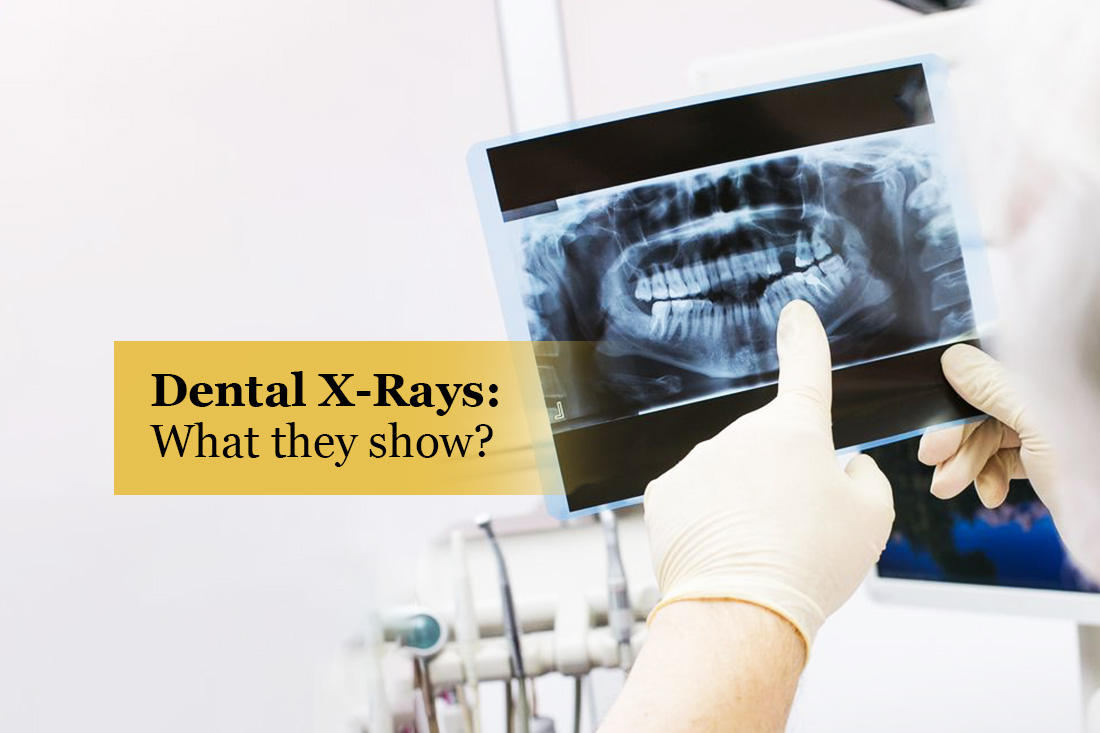
X-rays can reveal problems that are not visible during an examination, including some cavities and impacted teeth. They can also help a dentist compare changes over time. Different images answer different questions, so the reason for the recommendation matters. See the ADA patient guide to dental X-rays.
There is no single schedule for everyone
The need for images depends on current findings, symptoms, age, and disease risk. X-rays are not automatically needed at every visit. Ask what has changed since the previous examination and whether existing images would provide the information the dentist needs.
For example, you can ask, “Are these images being recommended because I have a symptom, because an area needs monitoring, or because you need a starting record?” That question invites a specific answer and helps you understand the next step.
Previous records can make the visit easier
Before changing practices, ask how your prior dental images can be transferred. Tell the new office when and where they were taken. The dentist still needs to decide whether those records are suitable for the current concern, but having them available makes that discussion easier.
Keep the previous practice's contact details and any transfer confirmation together with your appointment information. Ask the new office whether the files arrived before the visit, especially if a particular tooth is being assessed.
Discuss comfort and your health history
Tell the team if you have a strong gag reflex, difficulty opening your mouth, or concerns about positioning. You can ask them to explain the process before starting and agree on a signal if you need a pause. Also share relevant health information, including pregnancy.
Ask how exposure is kept appropriate
Dental imaging uses radiation, so the clinical benefit should justify it. The ADA recommends taking images when they provide necessary diagnostic information and using techniques that limit exposure. Ask which images are proposed, why that set is appropriate, and whether a previous set can be used.
Make the result part of the conversation
- What did the images show in the area you were investigating?
- Does the finding change the treatment recommendation?
- Is an area being monitored, and what would count as a change?
- Can you show me the finding on the screen?
Real Dentistry's first-visit guide and general dentistry page explain the practice's approach to examinations. Request a Fullerton appointment and mention any previous images when booking.
Keep reading